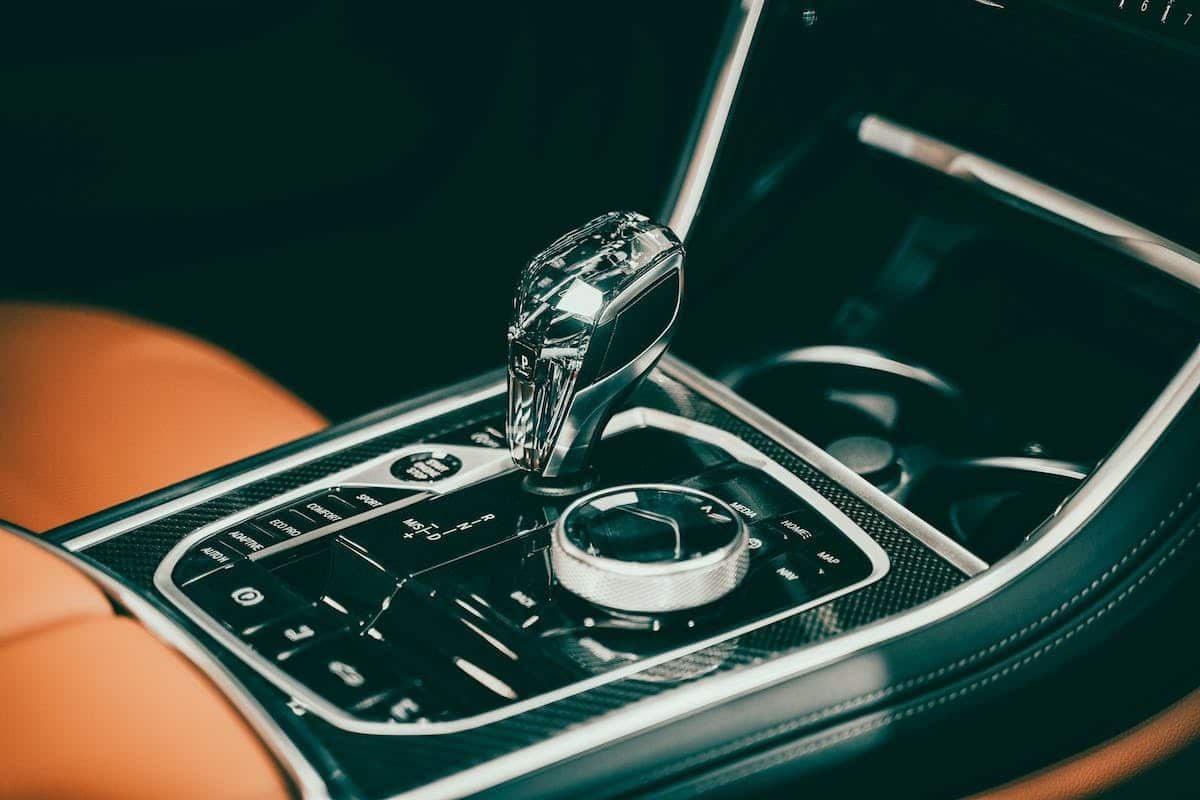
Let’s dive into the fascinating world of automobiles, specifically the mechanism of the automatic transmission. ‘PRND’, these letters that appear on the gear selector, each have a precise meaning and are essential for the proper use of a vehicle equipped with such technology. ‘P’ for Park, ‘R’ for Reverse, ‘N’ for Neutral, and ‘D’ for Drive, that’s the code to decipher. Let’s enrich our understanding of this refined automotive mechanism by exploring further the meaning and usage of these letters that govern our daily driving. Surely, this journey through the innards of our cars promises to be captivating.
The history of the automatic transmission: from its origins to today
In the galaxy of automatic transmissions, four letters are predominant: P for Park, R for Reverse, N for Neutral, and D for Drive. These symbols proudly display themselves on the dashboard and largely govern our way of driving our vehicles.
To start, I direct the joystick towards the letter ‘P’. This letter, which means ‘Park’, has the important responsibility of locking the vehicle’s gears when it is parked. It is an additional safety feature that ensures your car will not move an inch even if it is parked on a steep incline.
When I need to perform a maneuver in reverse, it is no surprise that I guide my joystick towards the letter ‘R’ — that is, Reverse. This simple action triggers an internal mechanism in my car, allowing it to move backward efficiently.
The third letter, ‘N’, corresponds to the English term Neutral. It means that no gear is engaged; it is thus a transitional state when you shift from one gear to another but also when you want to temporarily immobilize the vehicle without turning off the engine.
Finally, we have ‘D’, which is predominantly selected when we want to move forward. By choosing ‘Drive’, I give my car the green light to take command through the various speed levels predefined by automotive engineers in my automatic transmission.
However, behind this refined ballet among these four symbols PRND lies a whole complex technological universe where comfort and efficiency must coexist harmoniously • despite a slightly higher energy consumption compared to traditional manual transmissions.
With the emergence of new technologies integrated into our modern cars, such as predictive artificial intelligence that continuously adapts to road changes, these famous letters PRND still have many evolutionary steps ahead of them.
It is crucial that every driver fully understands how these icons work so they can take advantage of the benefits offered by their vehicle equipped with an automatic transmission • this will allow them not only to travel with confidence but also with pleasure behind the wheel.
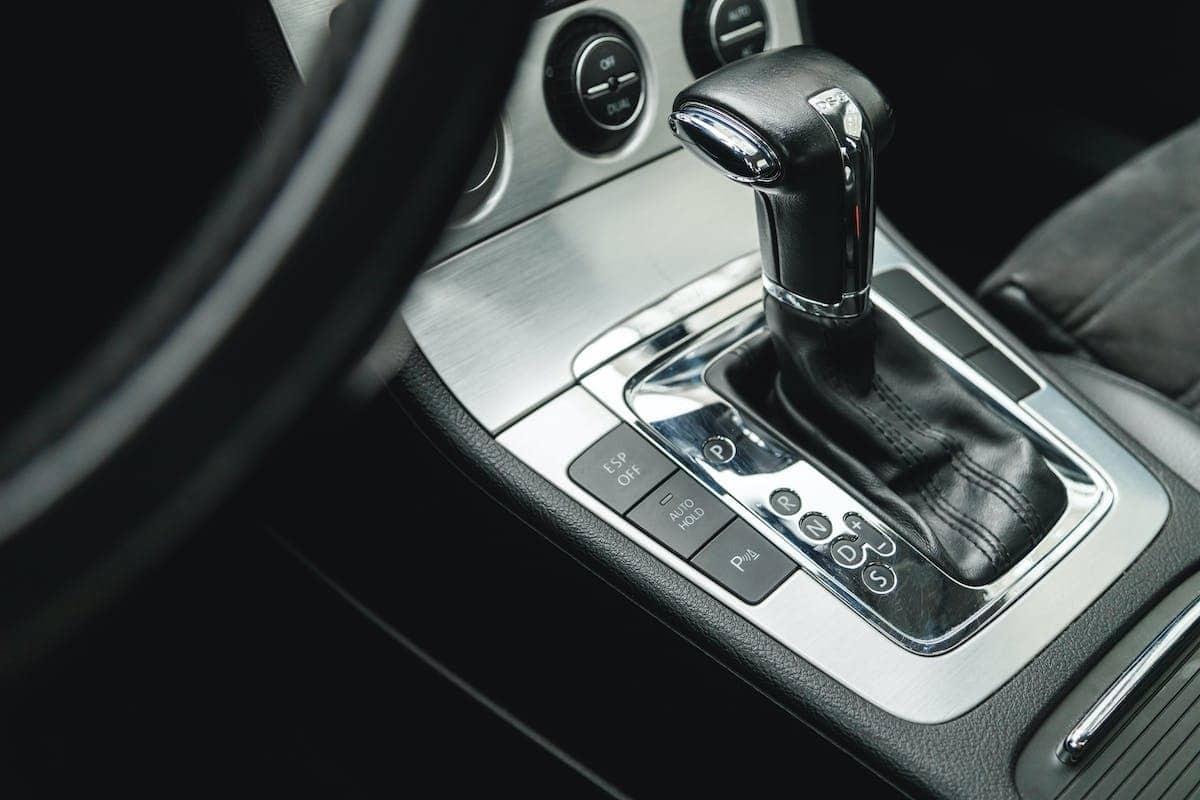
The letters PRND: the very essence of the automatic transmission
Now let’s dive into the in-depth analysis of each letter of PRND to better grasp its meaning and the role it plays in the functioning of an automatic transmission.
The first letter, ‘P’ for Park, is a crucial step when it comes to parking your vehicle. By selecting this position, you immobilize the transmission gears and ensure that your car remains parked safely. It is an essential device that prevents any unintentional movement when you are stationary.
Let’s move to reverse with the letter ‘R’. When you want to perform a reverse maneuver, simply shift the lever to this position.
PRND decoded: the meaning of each letter
Now let’s explore the advantages and disadvantages of the automatic transmission. This technology has gained popularity over the years, thanks to its multiple benefits.
The driving flexibility offered by an automatic transmission is undeniable. Gear shifts occur smoothly and without jolts, providing a pleasant driving experience for both the driver and passengers. Gone are the days of slipping clutches or poorly synchronized downshifts!
You must mention the increased safety. Thanks to the absence of a manual clutch requiring constant shifts between different positions, this eliminates the potential risk of a sudden engine stall during abrupt stops or on steep terrain. Some models are equipped with an automatic braking system when you abruptly release the accelerator.
Another significant advantage is the ease of use. Driving a car equipped with an automatic transmission requires less physical and mental effort compared to a manual transmission. Generally, you just need to press the brake pedal while moving the lever forward or backward to switch between different positions.
Despite its many advantages, the automatic transmission has a major drawback: it is generally more expensive to purchase and maintain. Indeed, the complex components necessary for the operation of such a transmission incur additional costs in case of repair or replacement.
You should note that these costs can be offset by a better resale value of the vehicle equipped with an automatic transmission in the used car market.
Automatic transmissions have undoubtedly revolutionized our way of driving by offering comfort and ease of use. However, you must evaluate the financial aspects related to this technology before any investment.
The evolution of automatic transmissions: always more efficient
The evolution of automatic transmissions has been marked by significant technological advances over time. The early versions of these transmissions were often slow and imprecise in their gear changes. Thanks to the constant pursuit of improvement, manufacturers have managed to develop much more efficient systems.
A key milestone in this evolution was the introduction of automatic transmissions with a torque converter. These offer better management of gear ratios, ensuring smooth and seamless transitions between the different available speeds. They are now coupled with sophisticated electronic control units that continuously analyze various parameters such as vehicle speed, engine RPM, or accelerator position to best anticipate the driver’s needs.
The letter ‘P’ generally represents the ‘Parking’ mode on a classic selector lever. This is a secure position that completely locks the drive wheels to prevent any unintentional movement of the vehicle when it is parked.
The letter ‘R’, on the other hand, corresponds to the ‘Reverse’ mode. By engaging this position, the torque converter allows the drive wheels to turn in reverse so that the vehicle can back up.
The symbol ‘N’ indicates that the transmission is in neutral position. This means that no gear is engaged between the engine and the drive wheels. This configuration is used when the vehicle is stationary or in case of towing.
The letter ‘D’, which represents the ‘Drive’ or ‘Forward’ mode, allows the vehicle to move forward. In this position, the automatic transmission manages gear changes based on driving conditions and the driver’s inputs.
Understanding how the automatic transmission works is essential to fully exploit its performance and ensure safe driving. By knowing the different positions of the selector lever, it is possible to adjust your driving according to the situations encountered on the road.
Conclusion: the automatic transmission, an innovation that has revolutionized automotive driving
The constant innovation in the field of automatic transmissions has led to the introduction of new features to further enhance the driving experience. Among these innovations are sport and economy modes.
The sport mode is designed to provide a more dynamic driving experience by adjusting the engine and transmission parameters. By activating this mode, the automatic transmission delays gear changes to maximize available power. This allows the driver to have a better response when accelerating or overtaking.
On the other hand, the economy mode is ideal for those looking to optimize their fuel consumption. By slightly reducing engine performance and favoring early shifts to higher gears, this mode allows for fuel savings over long distances.
It should be noted that some modern automatic transmissions are equipped with a function called ‘Start-Stop’. This function automatically stops the engine when the vehicle is at a complete stop (for example, at red lights) to save fuel and reduce pollutant emissions. When the driver releases the brake pedal or engages the clutch, the engine restarts instantly without any manual intervention required.
It should also be mentioned that the letters PRND may add additional modes such as snow or off-road mode to adapt to different driving conditions. It is advisable to consult the owner’s manual to fully understand the specific features of each model.
The automatic transmission has come a long way since its inception and now offers a more enjoyable and comfortable driving experience. By understanding the letters PRND, as well as all the additional features available, we can fully exploit the potential of these modern transmissions.