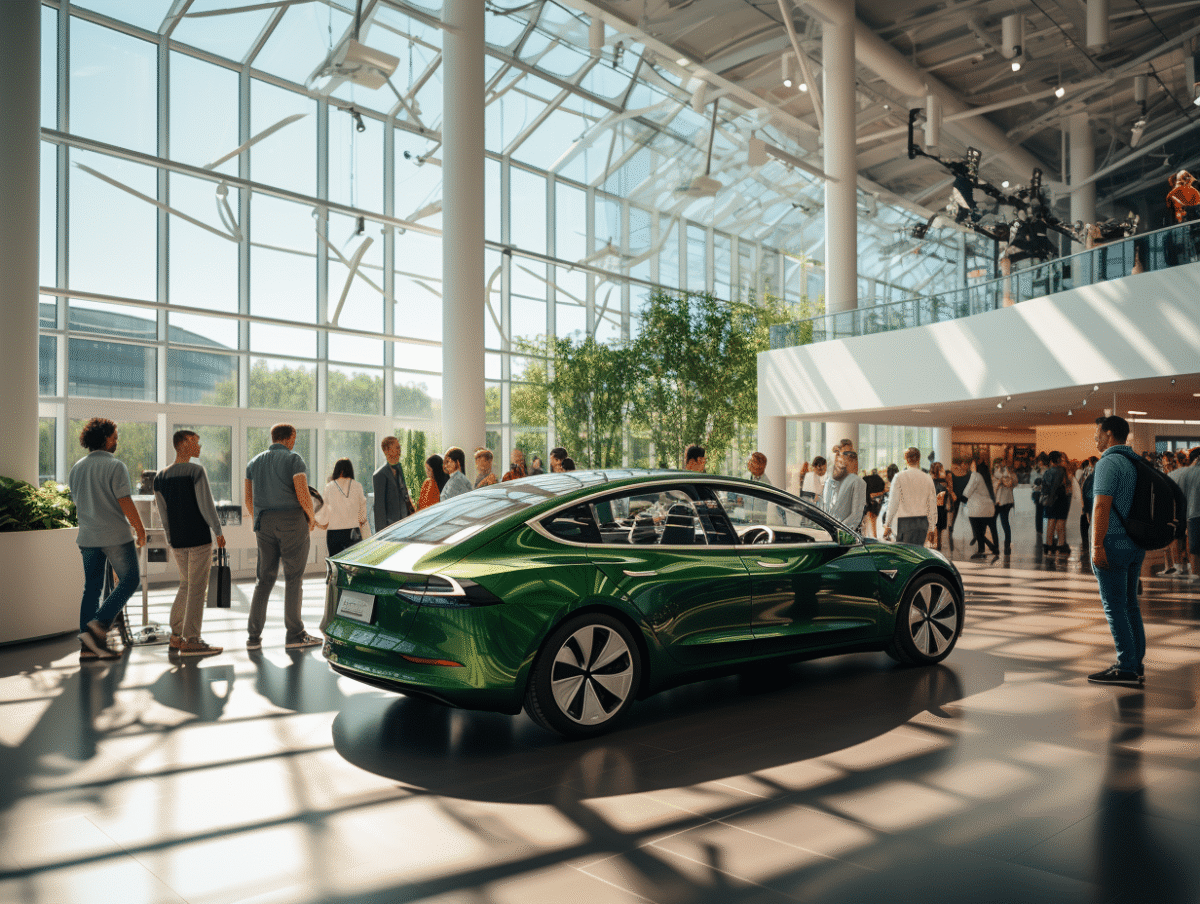
The autonomy of a vehicle is a major concern for drivers, especially with the rise of electric cars. The fear of running out of charge far from a charging station is very real. Mastering autonomy management becomes essential. Different popular models offer varied performances and specific tips to optimize their use. From fuel-efficient driving techniques, regular maintenance of key components, to the judicious use of onboard features, each model has its particularities. Tailored advice can help drivers maximize their vehicle’s energy efficiency and extend their range on the road.
Autonomy Optimization: Methods and Driving Habits
Maximizing the autonomy of your electric vehicle starts with a keen understanding of the limitations and needs of its battery. Temperature is a key factor: indeed, high temperatures can accelerate battery degradation, while cold can reduce its ability to deliver energy. Parking your vehicle in a garage, if possible temperate, helps preserve the battery’s longevity.
Lithium-ion batteries, the beating heart of the electric car, do not handle extremes well. It is therefore advisable to keep the charge level between 20% and 80%, thus avoiding complete discharges and maximum charges, which can be detrimental in the long run. Slow charging is also to be preferred to spare the battery. Get into the habit of waiting a moment after a full charge before setting off again, and similarly, let your vehicle catch its breath after a trip before plugging it back in.
In this regard, companies like BEQ Technology provide practical tips for managing autonomy optimally. Follow their recommendations for suitable driving, which includes the rational use of the air conditioning and heating system, as well as gentle and anticipatory driving techniques. Remember that every kilowatt-hour saved translates directly into a greater distance traveled. Regarding thermal models, the Clio 4 reserve autonomy can benefit from similar consumption management, with particular attention paid to vehicle maintenance and eco-responsible driving.

Autonomy Comparison: The Most Popular Electric and Hybrid Models
Electric vehicles are taking an increasing place in the automotive market. Their autonomy remains their major asset and challenge, conditioning their adoption by an ever-wider audience. To enlighten consumers, the WLTP (Worldwide Harmonized Light Vehicles Test Procedure) cycle has become the standard for estimating the autonomy of electric vehicles. This more rigorous protocol aims to respond to the need for reliable comparison between models.
Ford, a major player in the clean mobility sector, is committed to technological innovation to improve the autonomy of its vehicles. The new Ford Focus electric, with its cutting-edge solutions such as heated surfaces to minimize energy consumption dedicated to heating, exemplifies this quest for efficiency. The electric Focus, a fuel-free and emission-free sedan, promises a full charge in three to four hours, a performance that tends to meet contemporary expectations.
The hybrid car segment is not to be outdone, combining thermal propulsion and electric assistance to offer an appealing alternative. These vehicles promise to reduce the ecological footprint while alleviating the anxiety related to autonomy, a fundamental characteristic for consumers in energy transition.
In terms of comparison, analyzing the various models on the market shows significant differences in autonomy. These differences can be explained by the distinct strategies of the manufacturers, some prioritizing battery capacity, others the efficiency of the energy management system. Savvy users should therefore consider this variability and put it into perspective with their actual mobility and daily usage needs.