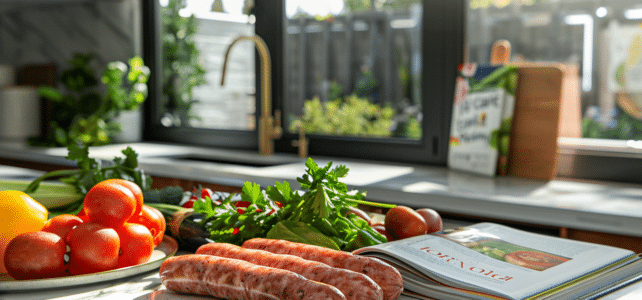
Pregnancy is a time when food vigilance becomes critically important. Among the many foods scrutinized by expectant parents, industrial sausages deserve special attention. These products, often appreciated for their flavor and ease of preparation, can harbor risks due to their manufacturing process and the additives used. The potential presence of bacteria such as Listeria monocytogenes, which is dangerous for the fetus, makes it imperative to follow certain precautions. Complete cooking and caution regarding the frequency of consumption are measures to adopt to safeguard the health of the mother and the unborn child.
The potential dangers of industrial sausages for pregnant women
The immune system undergoes notable changes during pregnancy, and foods to be consumed with caution are scrutinized with heightened acuity by healthcare professionals. Sausages, particularly knackis and pregnancy, combine ease and risk in their name. Indeed, these deli products during pregnancy are associated with conditions such as toxoplasmosis, listeriosis, and salmonellosis, all of which can lead to serious complications: miscarriage, premature birth, or congenital malformations.
Violette Duval, an expert in foodborne infections, warns that Listeria monocytogenes, the pathogen responsible for listeriosis, can be found in certain ready-to-eat foods, such as industrial sausages. These products, often consumed without further cooking, can pose a risk during pregnancy. Furthermore, recent studies establish a link between high consumption of processed meats and disorders such as gestational diabetes and preeclampsia.
As for raw or smoked deli meats, their consumption should be avoided to prevent toxoplasmosis and listeriosis. This recommendation applies even more strongly to raw meats, which are discouraged. The fetus, particularly vulnerable to infections, requires heightened precautions regarding food hygiene.
Deli products, such as sausages, must be properly cooked before consumption to minimize risks. It is therefore advisable to ensure that sausages are cooked thoroughly, with knackis needing to reach a sufficient internal temperature to eliminate any potentially dangerous bacteria. This precaution is essential to ensure the safety of both the mother and the future baby.
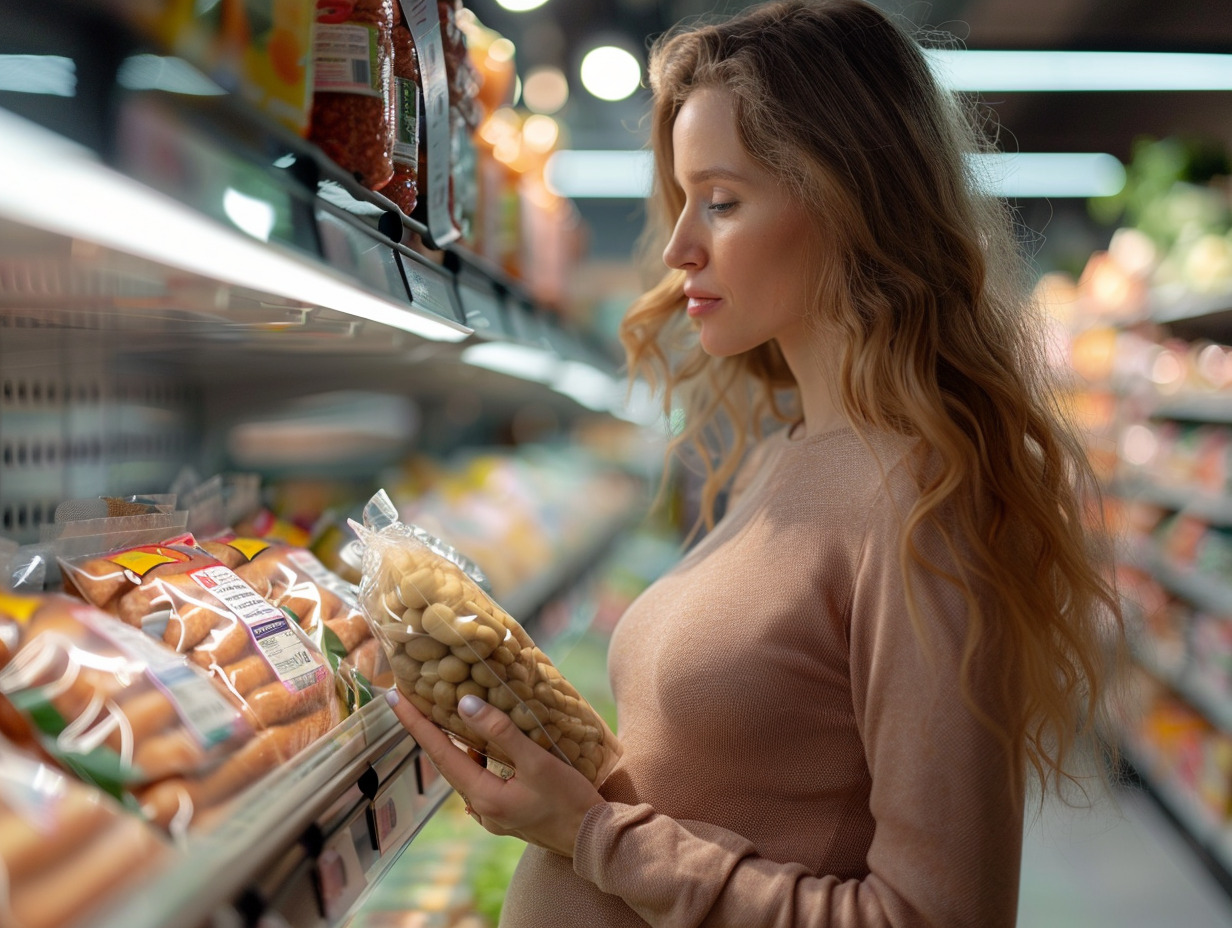
Recommendations and safe alternatives for sausage consumption during pregnancy
At the heart of nutritional concerns, healthcare professionals, during pregnancy check-ups, inform expectant mothers about foods to avoid. Raw deli meats, including industrial sausages, are not recommended. For fans of knackis, thorough cooking is crucial. Sausages must reach an internal temperature that ensures the elimination of pathogenic bacteria. This precaution is vital to protect the fetus, which is extremely sensitive to infections.
Vigilance is also required regarding product choices. Industrial sausages are regulated by strict food safety standards. The risk of contamination is not negligible. Therefore, doctors recommend prioritizing home-cooked meat, where the cooking process can be fully controlled. Consider alternatives such as plant-based sausages, provided you check the ingredients and their cooking.
As for hot dogs, they can be consumed during pregnancy, provided that the ingredients, particularly the sausage meat, are well cooked. Avoid fast food stands where cooking practices are often poorly controlled. Prefer home preparation, where every step, from ingredient selection to cooking, is rigorously controlled.
Beyond meat, attention should also be paid to dairy products and fruits and vegetables. The latter should be thoroughly washed to avoid any risk associated with contaminated foods. Recommendations thus extend: consume pasteurized products, avoid raw deli meats and undercooked meats. The future baby will be grateful, as it will be protected from the potential dangers associated with risky eating during this crucial period.