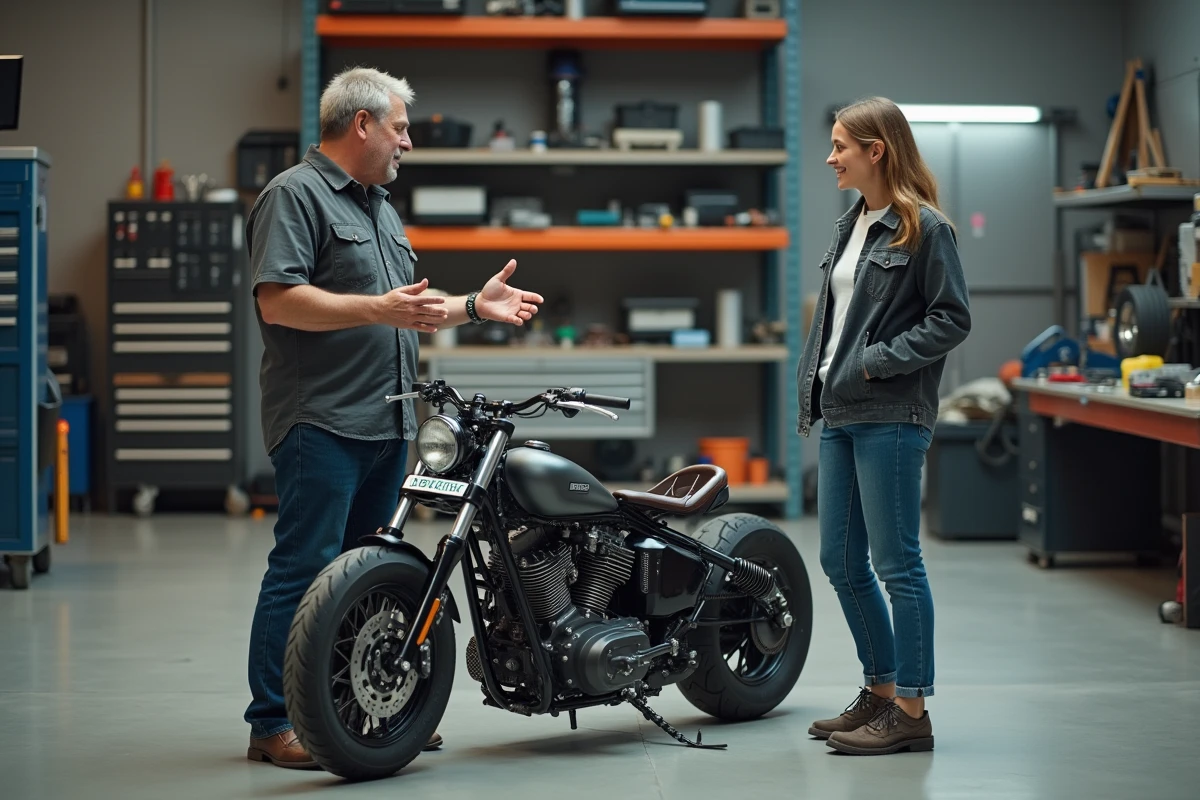
A raw figure that sets the tone: converting a motorcycle into a trike can blow up a budget, and it’s rarely a pleasant surprise. Beyond the price of the kit displayed in the shop window, the final bill often hides unexpected costs, lengthy administrative procedures, and technical adaptations that are more complex than advertised. The promise of a “plug and play” installation quickly meets the reality of the garage, where each model, each option, can lead to unforeseen expenses.
Understanding the transformation of a motorcycle into a trike: steps, options, and kit selection
Transforming a motorcycle into a trike relies on rigorous mechanics, where every intervention must be mastered. The principle is simple in appearance: replace the original rear wheel with a two-wheel rear axle, using a kit specifically designed for the motorcycle model, whether it’s a Honda Goldwing or a more atypical machine. But in practice, the project involves much more than just adding an extra axle. Disassembling the swingarm, adapting the braking system, reconfiguring the transmission: each step requires precision and expertise.
Today, there are several types of kits available on the market. Some focus on aesthetics, others on stability or performance. The choice depends on the motorcycle model, the intended use, and of course, the available budget. For a smooth ride, it’s better to opt for a kit approved in France, delivered with clear documentation and technical support. Various options can also be added, such as fairings, specific rims, enhanced braking, or suspensions designed to lower the center of gravity and improve road handling.
The cost of converting a motorcycle into a trike with MTM France depends on both the complexity of the project and the chosen equipment. The choice of kit, whether it’s a classic model or one intended for an electric motorcycle, immediately influences the final quote. In this niche, customization is key, but each transformation must strictly comply with current regulations. An approved trike guarantees the ability to ride anywhere, without unpleasant surprises during roadside checks.
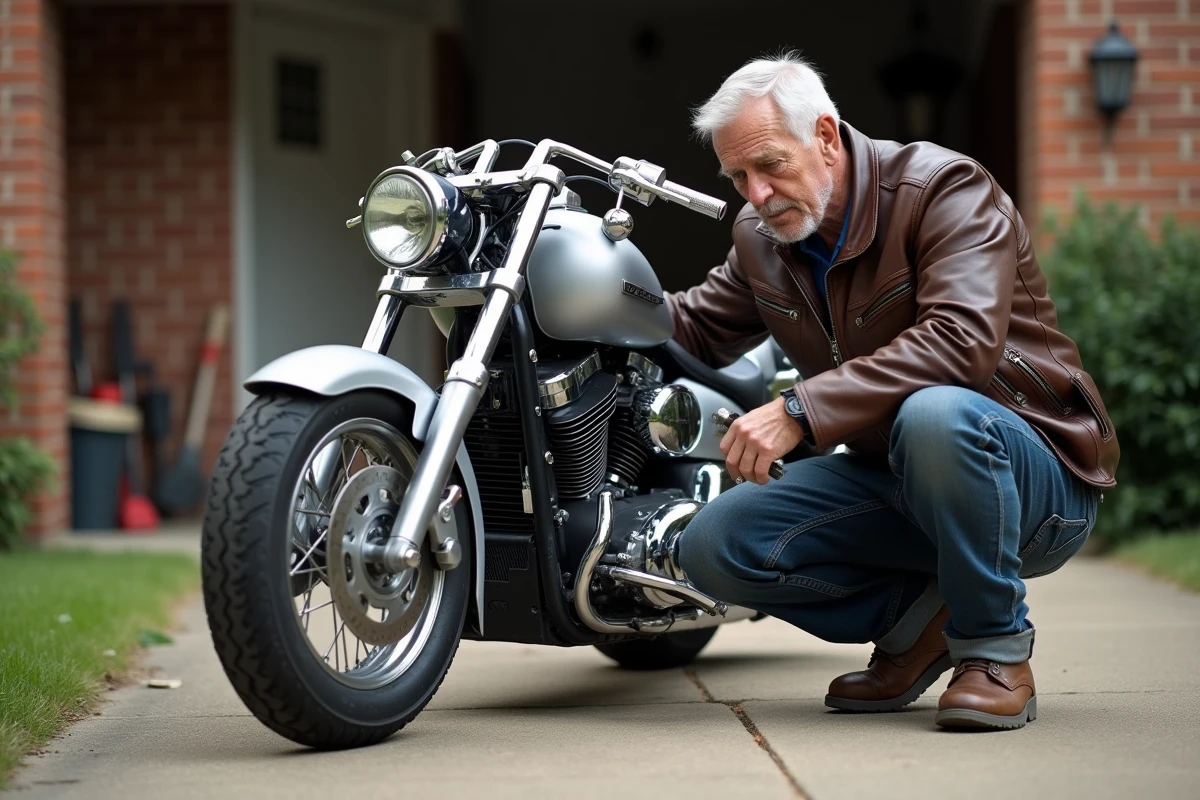
What does the conversion really cost? Overview of prices, expense items, and tips to manage your budget
In France, the cost of converting a motorcycle into a trike generally ranges between €8,500 and €16,000 for a complete operation. This amount includes the conversion kit, labor in the workshop, and sometimes even certain administrative procedures. The kit alone has variable prices: from €6,000 to €12,000 depending on the technology, materials chosen, or the rarity of the model, whether it’s a Honda Goldwing or an electric machine. Additionally, there are assembly fees in specialized workshops, which often range from €1,500 to €3,500 depending on the complexity of the installation.
On top of this base price, certain customizations can increase the bill: custom paint, high-end upholstery, specific rims, reinforced suspensions… These choices allow for a truly unique trike, tailored to personal preferences and riding style. One point not to underestimate is the cost of compliance and homologation, a necessary step to enjoy the trike on open roads.
To avoid unpleasant surprises, some practical advice is essential. Before signing, take the time to compare offers, examine the details of the proposed quotes. Are all costs clearly indicated? Is the timeline for completion respected? For older motorcycles or less common models, ensure the availability of spare parts. Finally, choose a reliable contact who will assist you from the selection of the kit to the registration of your trike, as the administrative process can be more complicated than it seems.
Insurance, legislation, and frequently asked questions: what to anticipate before riding a trike
Before hitting the road, several checks are necessary for any trike owner. First, the compliance of the transformation: without official homologation, there is no hope of obtaining a valid registration certificate. The workshop responsible for the conversion must provide a certificate stating that the kit is fully compatible with your motorcycle and that the transformation complies with French standards. In some cases, the original manufacturer must also validate the compatibility of the conversion kit.
Insurance for a trike is not trivial. Companies systematically require all supporting documents: homologation file, precise description of modifications (number of wheels, type of kit, modifications to the center of gravity, etc.). Coverage varies according to the intended use, daily commuting or occasional rides, and the value of customized equipment. Expect a premium that is often aligned with that of a touring vehicle, especially for models like the Honda Goldwing conversion.
Here are the main questions that arise during a trike transformation:
- Can a trike accommodate a passenger? Yes, provided that safety rules and the mentions on the registration certificate are respected.
- Are there specific traffic restrictions for trikes? In France, it is subject to the same rules as motorcycles, unless a specific local decree is issued.
- Does the transformation impact the technical inspection? Yes: the modification recorded on the registration certificate requires a thorough examination of the suspension and braking systems, especially for heavy trikes such as those derived from a Goldwing.
It’s better to anticipate each step: consulting with the relevant authorities avoids many pitfalls, whether for registration or during a future resale. Choosing a trike also means accepting to navigate a meticulous regulatory framework, but the freedom to ride differently is often worth the effort. Each person must chart their own course, three tracks on the asphalt, and a project carried out at full speed.